Post-Purchase Upkeep & Resale Strategy: How to Maximize Your Philly Home’s Value Over Time
Buying a home in Philadelphia is a major milestone — but what you do after closing has just as much impact on your long-term investment.
Whether you plan to stay for five years or fifteen, consistent upkeep and smart improvements can pay off big when it’s time to sell. Here’s how to protect (and grow) your home’s value over time in the Philly market.
1. Think Like a Future Buyer — From Day One
Even if selling feels far away, it’s smart to approach homeownership with resale in mind.
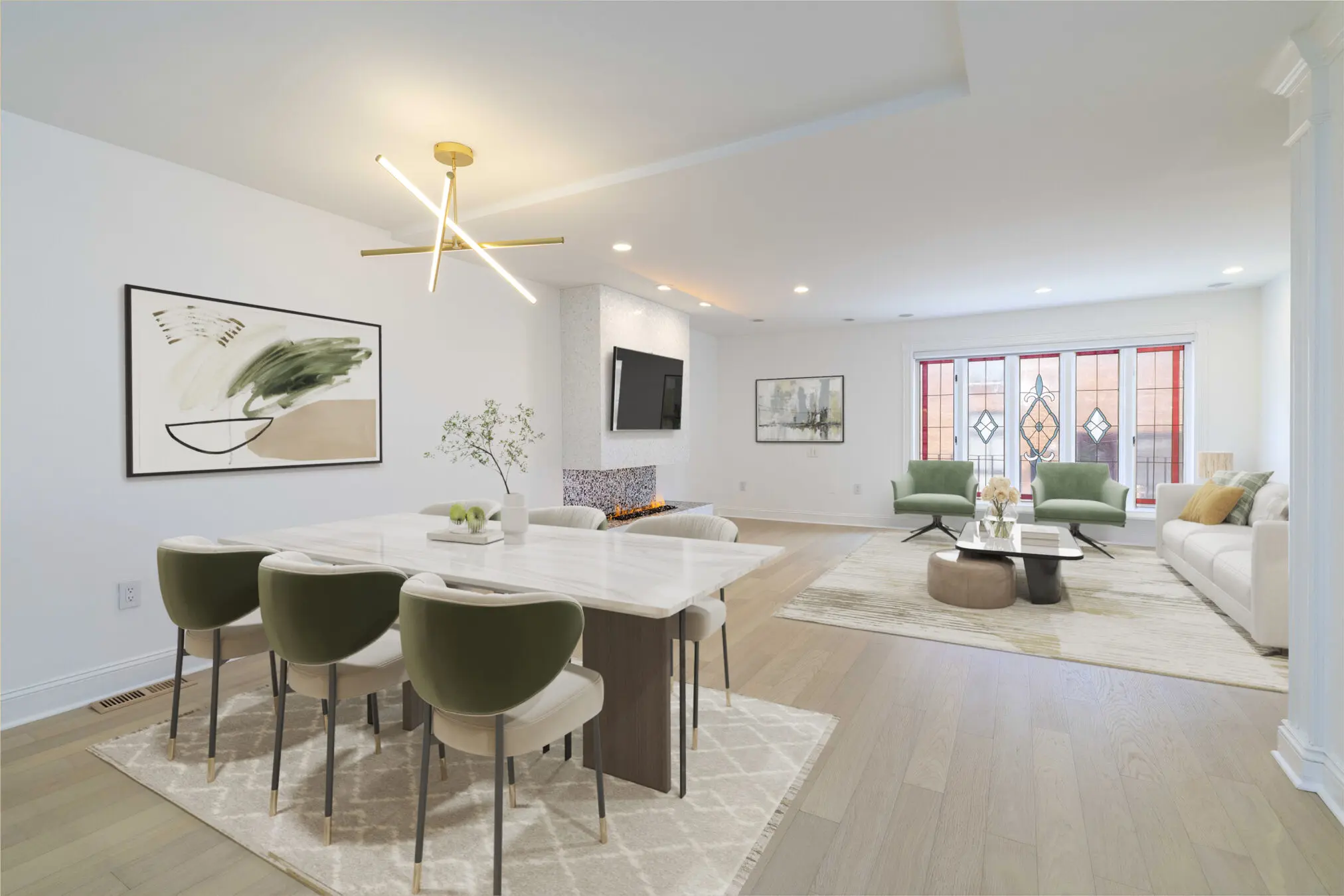
Keep a running list of projects that could improve your home’s livability and appeal to future buyers — things like open layouts, outdoor space, or energy efficiency upgrades.
Philadelphia buyers especially value:
- Updated kitchens and bathrooms (modern finishes, efficient layouts)
- Central air or ductless mini-splits (older rowhomes often lack these)
- Finished basements that add usable space
- Smart storage solutions in compact rowhomes
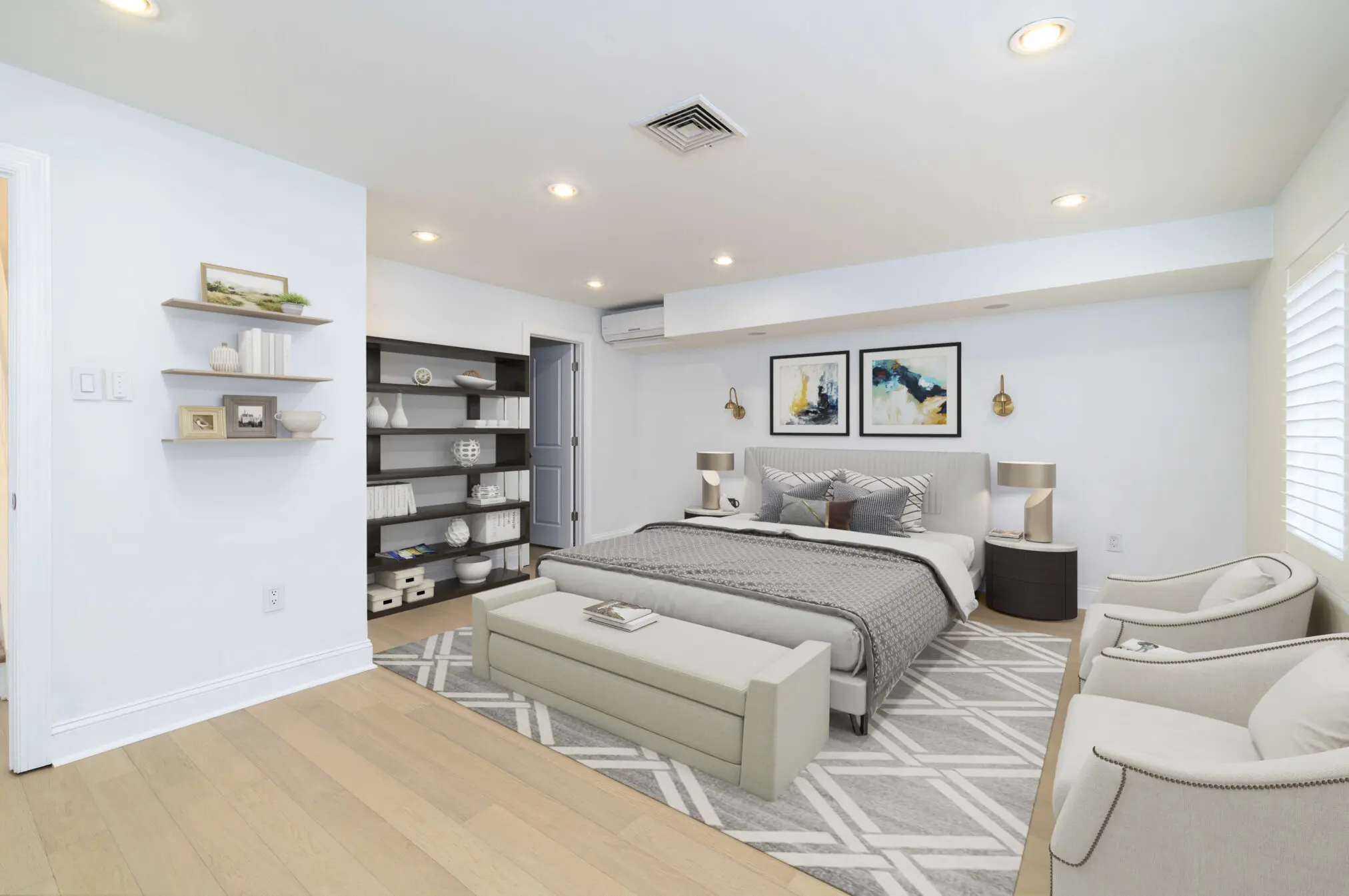
A small investment now — like refinishing hardwood floors or upgrading lighting — can help your home stay competitive when it hits the market.
2. Stay on Top of Philly’s Unique Maintenance Needs
Philadelphia’s mix of historic rowhomes, new construction, and everything in between means no two homes are alike. But the local climate — and city infrastructure — bring some universal challenges.
Keep these on your seasonal checklist:
- Water management: Check your roof, gutters, and downspouts at least twice a year. Philly’s heavy rain and freeze-thaw cycles can cause water damage fast.
- Masonry and pointing: If you own a brick home, inspect mortar joints regularly. Repointing every 20–25 years helps prevent structural issues.
- Basements and sump pumps: Older homes are prone to moisture. Test your sump pump and consider a dehumidifier in summer months.
- Heating and cooling: Schedule HVAC maintenance before peak seasons — many older systems run inefficiently and cost more to operate.
A proactive approach prevents small issues from becoming costly repairs that eat into your resale profits.
3. Prioritize Upgrades That Boost ROI in Philadelphia
Not every renovation pays off the same way — especially in a market as neighborhood-specific as Philly’s.
Here’s where local data (and a good agent) come in handy. Generally, these updates tend to deliver the best return on investment:
- Minor kitchen remodels: New countertops, cabinet refacing, and upgraded appliances.
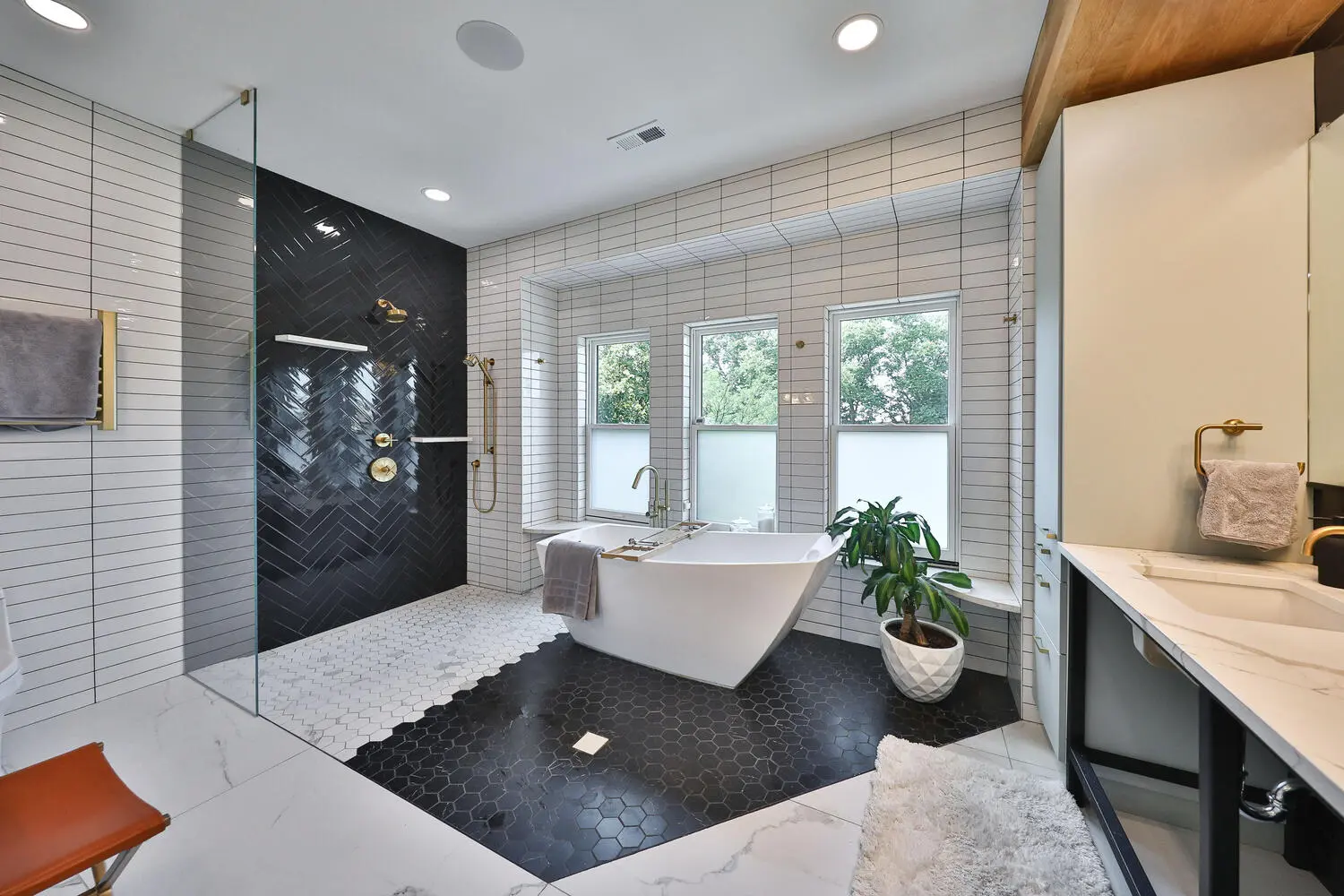
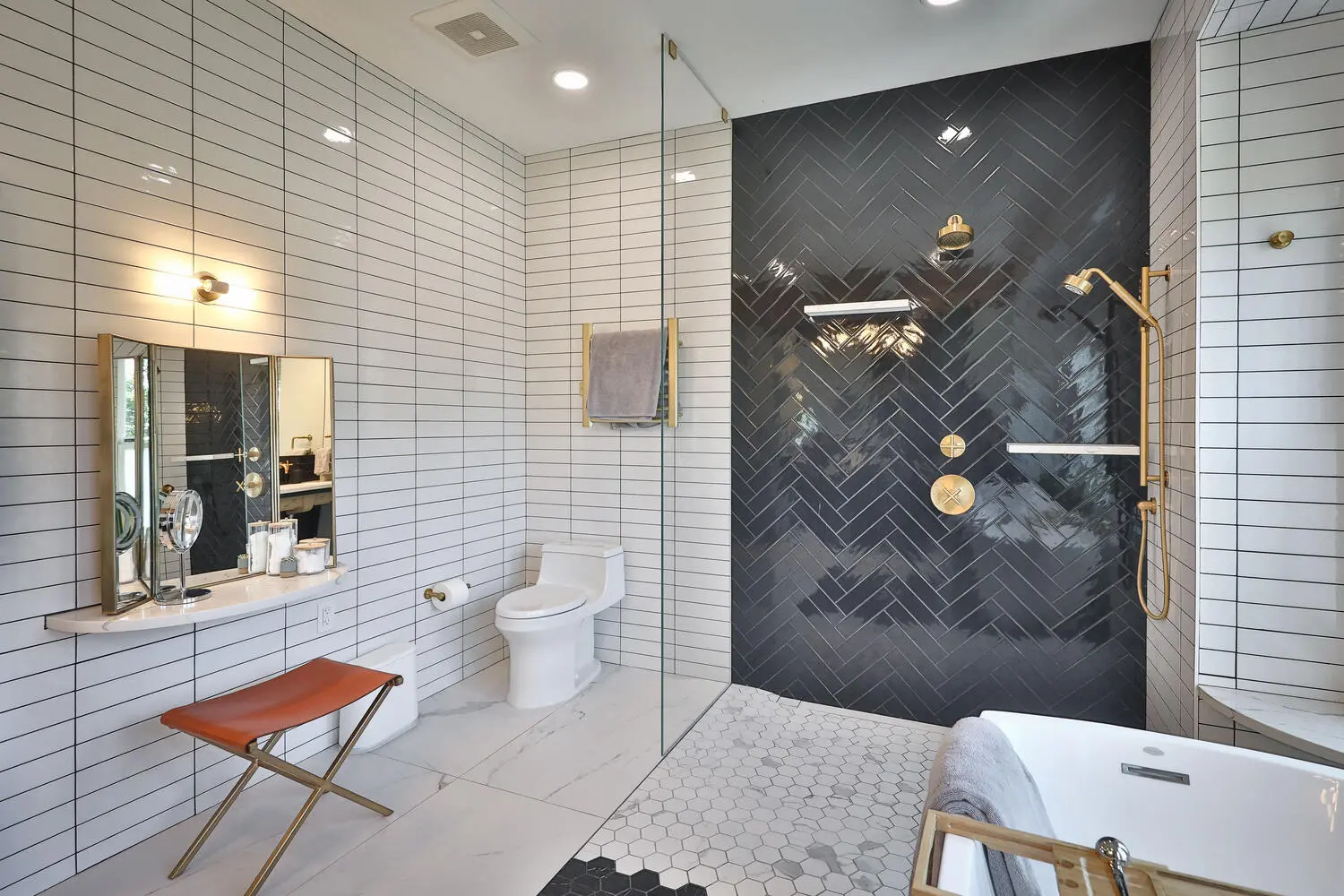
- Bathroom refreshes: Fresh tile, modern fixtures, and improved lighting.
- Energy efficiency: Insulation, new windows, and high-efficiency HVAC systems appeal to eco-conscious buyers and lower monthly costs.
- Curb appeal: A fresh door color, window boxes, and clean brickwork can instantly elevate a rowhome’s exterior.
When in doubt, choose improvements that enhance function and comfort — not just looks. A beautifully staged kitchen won’t make up for a leaky roof.
4. Keep Great Records
Save every receipt, warranty, and permit. Document your maintenance schedule and upgrades with before-and-after photos. When it’s time to sell, being able to show a record of consistent care builds buyer confidence and can justify a higher asking price.
Buyers often ask: When was the roof replaced? The water heater? The HVAC system last serviced? Having those answers ready gives your listing an instant credibility boost.
5. Time the Market Strategically
Philadelphia’s real estate market follows a seasonal rhythm. Listings tend to perform best in spring and early summer, when buyers are most active.
However, timing isn’t just about the season — it’s also about where the market is headed. If inventory is low and demand is high (as it’s been in many neighborhoods recently), that might be your moment to maximize profit.
Consult a trusted local agent 6–12 months before you plan to sell to:
- Analyze comparable sales in your area
- Identify small pre-listing improvements that could yield big returns
- Develop a pricing and marketing strategy aligned with market conditions
The Bottom Line
Owning a home in Philadelphia is both a personal milestone and a financial investment. With regular maintenance, smart upgrades, and a clear resale plan, you can ensure your property appreciates in value — no matter what stage of ownership you’re in.
Even small, consistent efforts today can translate into major rewards when you’re ready to sell tomorrow.

Get in Touch
Shauli David
Lead REALTOR®
sdavid@elfantwissahickon.com
215.605.0917